

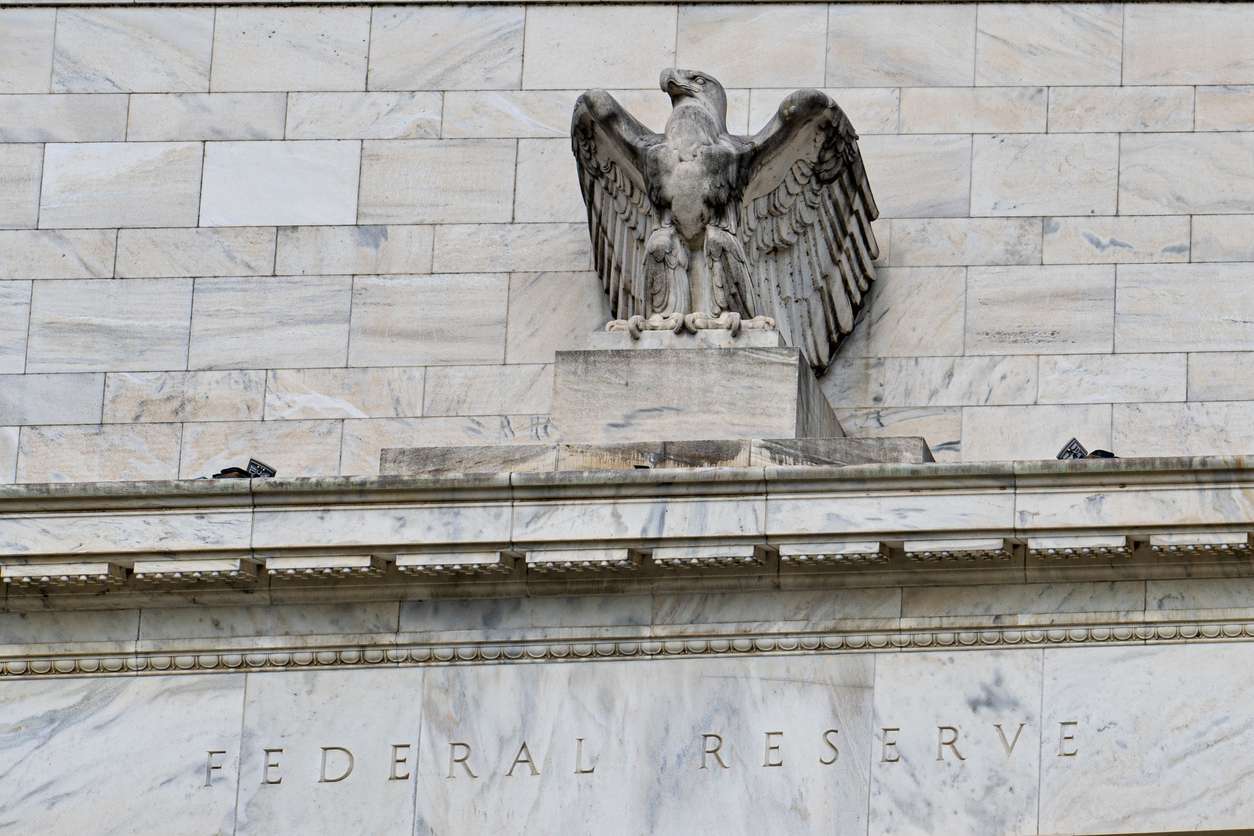
The headlines have the big strokes right. Kevin Warsh’s first meeting was hawkish, and it was pointedly independent. The detail worth your time is sitting underneath: the Fed hardened its line on inflation at the exact moment energy prices were falling.
By now the shape of Wednesday is familiar. The FOMC held at 3.50% to 3.75%, the new chair stripped the statement back to around 130 words, and the dot plot flipped the next move from a cut to a hike. Read as a story about Warsh, it is a tale of a hawkish, deliberately independent Fed reasserting that it sets policy on the data rather than the politics. All true, and all over the wires.
The more revealing part is the timing. The same week the Committee marked up its inflation forecasts, oil was in freefall. The US-Iran deal has pulled crude down roughly 40% from its conflict peak, with Brent near $78 and WTI near $75. The textbook reaction to that is disinflation, and with it the room to ease. A central bank under political pressure to cut could have pointed at the oil chart and called it cover.
The Fed did the opposite. It lifted its 2026 headline PCE projection to 3.6% from 2.7% in March. More tellingly, it raised core PCE to 3.3%. Core strips energy out entirely, so an upward revision there is the Committee saying in numbers what it would not spell out in words: the inflation problem is broad, and it is not going to be solved at the petrol pump. The statement itself framed energy as just one of several supply shocks in certain sectors, not the main event.
Warsh made the same point without dwelling on it. Inflation, he noted, has been “running well ahead” of the 2% goal for “more than five years”, language that frames the problem as embedded rather than a passing geopolitical spike. Set against a backdrop of tumbling energy costs, that is a deliberate choice of emphasis. He paired it with the line that did the rounds, that the Committee “will deliver price stability”, but the substance sat in the projections, not the soundbite.
None of which means the Fed expects the squeeze to last. The same projections have total PCE inflation, in Warsh’s words, at “3.6 percent this year, 2.3 percent next year”, so this is a 2026 stance rather than a call that prices stay hot indefinitely. The point is narrower and more immediate: cheaper oil is not going to pull inflation back to target on its own this year.
This is where the hawkish and independent reads actually fuse. The genuinely independent move was not the unanimous vote. It was declining the dovish narrative that was being handed to the Fed on a plate. Fading war risk, collapsing oil and a White House that wants cuts all pointed one way. The Fed looked at its core forecast and went the other.
For anyone trading the dollar, that is the takeaway the rate headline misses. The greenback firmed even as oil sank, because the message was that higher-for-longer is not conditional on energy relief. Cheaper crude is not, in this Fed’s view, going to do its job for it.


